석영 대 화강암, 어느 것이 조리대에 더 낫습니까?
Feb 10, 2022
When narrowing down your bathroom or kitchen countertop options, it often comes down to two materials: quartz (artificial stone) vs. granite (natural stone). It wasn't an easy decision because the difference between the two countertop materials wasn't obvious. After all, both quartz and granite are loudly touted by their respective manufacturers as all-natural, straight from the earth, and hard as stone. What the difference between them?
구성
화강암은 채석장에서 직접 공급된 순수한 자연석으로, 시트로 절단되고, 광택 처리되고, 조리대 상판으로 만들어집니다.
Quartz countertops are engineered stone products that may contain large amounts of natural quartz, but may also contain other minerals. Instead of quarrying slabs, they are formed from stone by-products that are ground up and formed into slabs for countertops and other products.
모습
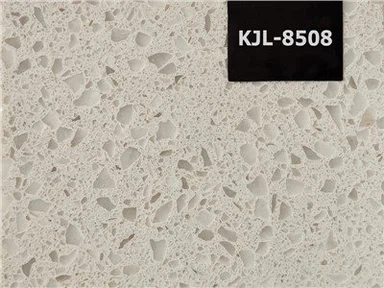
One advantage granite has over quartz stone is that each granite slab has a slightly different mineral pattern and color, meaning your countertops will be unique. As an engineered product, quartz countertops are more uniform in appearance, though available in many colors and unique patterns, including forms that don't look like granite at all.
The choice here is a matter of personal preference. If you really want the look of natural stone, go for a real natural product - granite. But many people find that quartz countertops look different and better than natural stone.
유지 보수 및 내구성
석영은 두 재료 모두 매우 내구성이 있지만 화강암에 비해 뚜렷한 장점이 있습니다. 화강암은 비교적 다공성의 석재이며 설치 시 밀봉해야 하며 정기적으로 밀봉해야 합니다. 화강암 슬래브에는 균열이 생기기 쉬운 고유한 결함이 있을 수 있습니다. 반면에 석영은 슬래브를 만드는 데 사용되는 수지 덕분에 밀봉이 필요하지 않습니다. 재료가 균질하여 균열이 거의 발생하지 않습니다.
The resin in quartz countertops makes it more stain-resistant than granite. According to some reports, quartz is also less prone to bacteria, again thanks to resins that make the surface less porous.